
Reframing Your Next Season as a Later-Life Sabbatical
When a new season of life begins, it’s natural to bring the same work ethic that brought past success. We treat the unknown like a project, making lists, setting deadlines and researching our way forward.
That’s exactly what I did. Since I left corporate life, my weeks have been full of creative and operational work, with little time to spare. I took on one learning adventure after another. I wrote two books, started a podcast, created an online course and ventured into YouTube.
This past summer, I made a deliberate decision to clear my calendar down to the essentials. In the quiet that followed, I saw what these last few years had really been: less an entrepreneurial venture than a sabbatical. I just hadn't called it that.
All along, something deeper had been unfolding. Yes, I was learning how to run a business. But I was also learning how to align my days with my own inner rhythm and pursuing projects that taught me far more than the mechanics of an online business.
Once I saw it that way, I realized I could shape the experience on purpose, designing my own later-life sabbatical instead of simply living through a transition.
What a Sabbatical Is
Traditionally, a sabbatical is a structured break from routine work. It’s a pause to study, travel or pursue inquiry without the pressure of daily output. Its roots can be traced back to the ancient practice of letting the land rest every seventh year so the soil could recover and regenerate before planting began again.
Universities adapted this concept to give professors time to pursue research. In modern times, corporations began offering leave to long-tenured employees as a retention tool.
But as I’ve discovered, a sabbatical doesn't require a university appointment or a leave of absence. It's a way of seeing the season you’re in. Whether your transition arrived by choice, retirement, an empty nest or an unexpected curveball, viewing it as a sabbatical changes the context. It changes the question from “How do I figure this out?” to “What do I want to learn as I experience this change?”
In hindsight, I see that clearing my calendar was my way to let the field lie fallow so I could go deeper into the learning.
How a Sabbatical Feels
When you've spent decades operating at full speed, slowing down can be surprisingly uncomfortable. Unstructured time is viewed as wasted time, and silence feels like something you're supposed to fill.
My own routine was part of the challenge. I built my days around accountability and the structure had begun to feel heavy. So when I cleared my calendar, I decided to add a small pocket of downtime as an experiment.
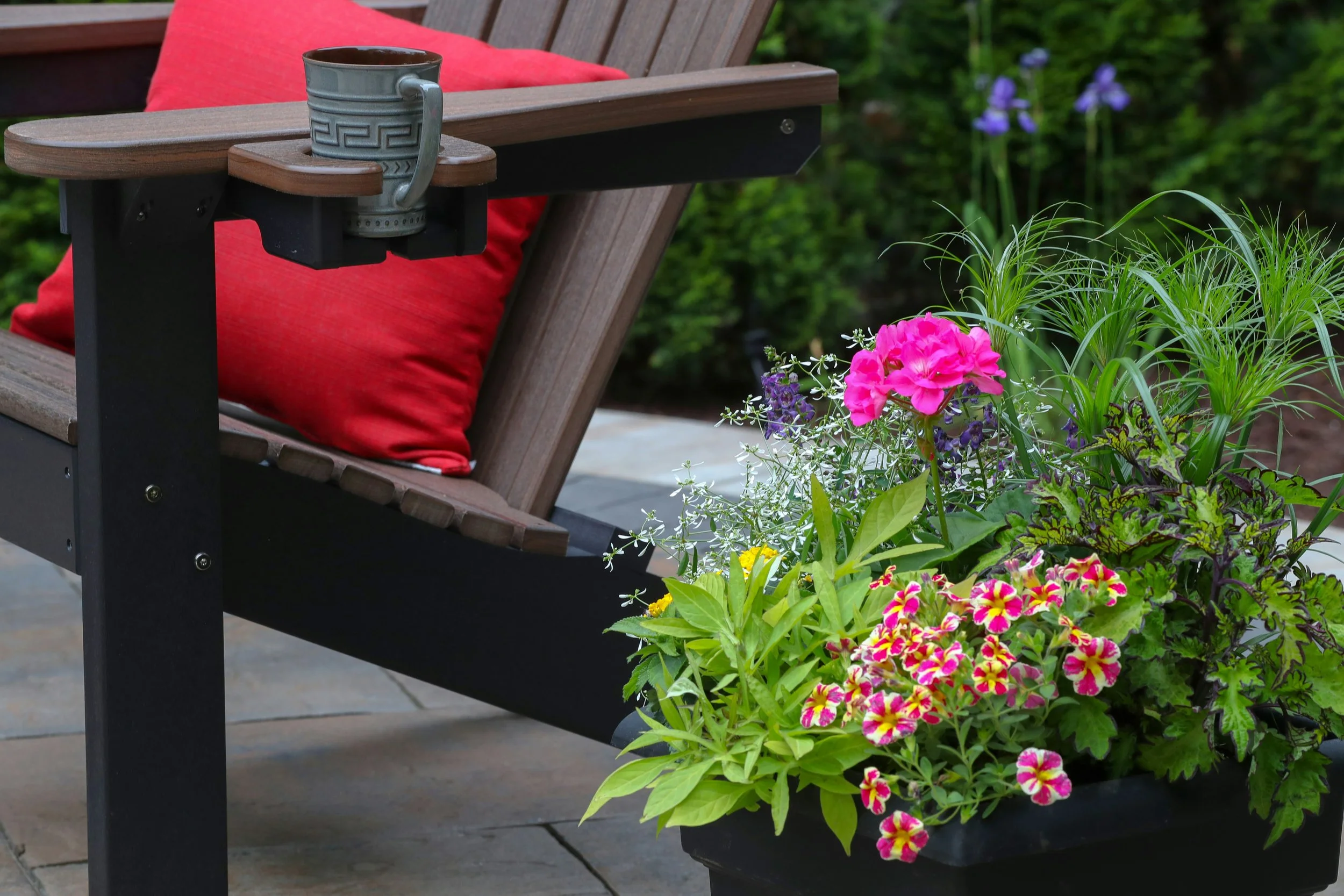
The next day, I came home from CrossFit, cleared my email and wrote a short list of the work I needed to do that day. Then I set up a chair in the sun, poured a cup of coffee and set my watch for 15 minutes. Within a minute or two, a trickle of sweat appeared as the warmth soaked into my skin, and I smiled. I love the heat of summer, and it felt so good to let the workout, the caffeine and the morning settle. When my watch buzzed, I folded up the chair, took a shower and went back to my laptop.
It felt strange, almost like slacking off. But before long, I found myself looking forward to those small pauses each day. Now that the weather has turned cold, I long for those brief recesses. And I’ve come to see them as part of how I work, not a break from it.
Clearing and resetting are needed before anything new can take root. Just as you wouldn't plant a garden in packed, depleted soil, you can't design a meaningful next chapter while operating on autopilot and old routines.
Slowing down gives you room to notice what you've been carrying out of sheer momentum: outdated obligations, schedules and expectations. Pausing the noise makes space for curiosity, creativity and new growth.
Becoming an Apprentice to Yourself
There's a particular humility in meeting uncharted territory after years of being the person with the answers. It's tempting to rush through the beginner phase. A sabbatical invites a different approach – you become an apprentice to yourself.
An apprentice observes, asks questions, tries things and adjusts. The subject is your own life:
What genuinely restores my energy, and what quietly drains it?
Which parts of my day make me lose track of time?
What am I curious about when nobody is watching or keeping score?
It becomes less about progress and more about gathering clues. Here's what mine have shown me so far:
Body: I’ve learned to build my day around my natural rhythm. Mornings are for meditation, movement, healthy food and creative projects. Afternoons are for clients and administration.
Mind: I’ve learned the entrepreneurial basics and experienced several business cycles. I trust myself to evaluate upcoming business opportunities and make an aligned choice.
Spirit:Years of outside guidance gave me a foundation of knowledge. Now I know to go inside for answers that are right for me.
Designing Your Own Sabbatical
You don't need a year off or a plane ticket to take a sabbatical. You can bring this spirit to an ordinary Tuesday:
Create a small clearing. Protect one block of unstructured time each week, with no agenda, no errands and no self-improvement homework.
Follow one thread of curiosity. Learn something for the joy of being a beginner, not to turn it into a side hustle or a resume line.
Track your energy, not your output. At week's end, notice what left you grounded and alive, and let that guide your next small step.
Transitions will always bring uncertainty and not every day will feel effortless. But when you loosen your grip and trade rigidity for curiosity, you stop controlling the transition and start enjoying the adventure of designing what comes next.
A Question to Walk With
As you go about your week, carry these questions with you:
Where am I treating my current season like a continuation of past routines? What might shift if I approached it as a sabbatical instead?