
Fueling Longevity, Pt. II: The Practical Blueprint
When I started to take my fitness seriously back in my late 30s, I knew what to do. The challenge was how to do it. It took quite a bit of experimentation to find methods and habits to support my wellness goals.
In Fueling Longevity, Pt. I, we laid down the foundational "why" of intentional nutrition. We reframed food as active information – raw material designed to protect your independence, preserve lean muscle, quiet chronic insulin spikes and maximize your everyday quality of life as you age.
In today’s article, we’ll get to the real magic of turning this philosophy into daily practice.
We’ll translate the CrossFit dietary hierarchy of leading with protein and non-starchy vegetables, supported by natural fats, and minimizing refined starches and sugars, into actual meals that will fuel your life and passions.
You’ll learn how to choose methods that fit your personality and current life season, making nourishing whole foods the path of least resistance.
Demystifying the Big Three: Macros for Midlife and Beyond
Before looking at how to construct your meals, let’s demystify macronutrients through the lens of midlife physiology and long-term vitality:
Protein (The Non-Negotiable Anchor): As we age, our bodies become less efficient at processing dietary protein, which can result in age-related muscle loss called sarcopenia. To counteract this while also supporting bone density and tissue repair, a recommended practice is to make protein the focal point of your meals. Incorporate high-quality animal or plant-based proteins to provide the essential building blocks for physical capability over the next thirty years.
Healthy Fats (Sustained Energy & Hormone Support): Natural fats are essential for joint lubrication, hormone synthesis, brain health and slowing down carbohydrate absorption. Prioritize natural sources like avocados, nuts, seeds, wild fat-rich fish and a quality extra virgin olive oil to keep you full and satisfied while supporting your hormonal system.
Carbohydrates (Strategic Fuel): Quality carbs matter, but timing and portions are critical. Limit refined grains or starches and prioritize high-fiber, nutrient-dense options like leafy greens, cruciferous vegetables and dark berries. Enjoy sweet potatoes or squashes in modest portions around active times of your day.
Define Your Method: Implementation Choices
There’s no single or correct way to put this game plan into practice. Depending on your preferences, lifestyle and intentions, consider which of these three distinct methods would best suit you:
Option 1: The Broad Brush (The Mindset Shift) If you’re not a fan of measuring or tracking, start with simple categorization. Construct each meal with these guidelines in mind:
Eat More: Quality protein anchors and non-starchy green or colorful vegetables.
Eat Some: Healthy fats (avocados, nuts, seeds), low-sugar fruits (berries, apples, citrus), and smart whole-food starches (sweet potatoes).
Eat Less: Ultra-processed packaged foods, refined grains, industrial seed oils, added sugars and prepared/restaurant food.
Option 2: The Visual Anchor (The Template Approach) If you prefer a visual framework without opening an app, use your hands and eyes as a guide:
Start with Protein: Begin with a portion of protein about the size and thickness of your palm as the anchor of your plate.
Fill with Greens: Fill half of your plate with vibrant, non-starchy vegetables (greens, broccoli, asparagus, peppers).
Add Fruit or Starchy Carbs: The last quarter is reserved for either starchy carbs (half a sweet potato or a piece of whole fruit for dessert).
Top with Healthy Fat: Add a thumb-sized portion of natural fats, such as a quarter of an avocado or a sprinkle of seeds.
Option 3: Data-Informed Awareness (Tracking as a Diagnostic Tool) If, like me, data provides clarity and accountability, try using technology to your benefit.
Personally, I use the Lose It! app to log my meals and a Withings smart scale to keep an eye on broader trends in my weight and muscle percentage over time. I find these tools helpful when I want to focus on my nutrition for a period of time, usually after the summer and after New Years.
I usually stop tracking during the more social seasons, such as summer and the winter holidays, so I can enjoy these times with family and friends. That said, I find these tools help to quickly get me back on track, as they provide an objective check-in that keeps me honest about my daily protein targets, identifies escalating sugar trends and ensures I continue to build muscle rather than lose it.
If you like data, tracking for a few weeks can be a fantastic diagnostic check-in to build baseline awareness of what you're actually putting on your plate.
Kitchen Systems: Preparation Over Willpower
Whichever method you choose, long-term consistency relies on friction-free systems rather than raw willpower. You don't need to spend hours in the kitchen or be a gourmet cook. You simply need a reliable environment and a repeatable rhythm:
Clear Out the Cabinets: Start with a clean slate by removing ultra-processed foods, hidden sugars and industrial seed oils. I recommend scanning the barcode on packaged items in your pantry, using a tool like the Yuka app to instantly evaluate ingredient quality and flag artificial additives. If it’s not in your pantry, it won't be on your plate.
Build Your Master Shopping List: Create a simple, go-to grocery list organized by your favorite whole foods across each macro category:
Proteins: Quality plant proteins, wild salmon, chicken breast, grass-fed beef, Greek yogurt, eggs, etc.
Veggies & Greens: A variety of leafy greens, broccoli, cauliflower, zucchini, asparagus, peppers, Brussels sprouts, etc.
Complex Carbs: Steel-cut oats, sweet potatoes, beans, etc.
Healthy Fats & Fruits: Avocados, raw nuts, seeds, EVOO, apples, berries, etc.
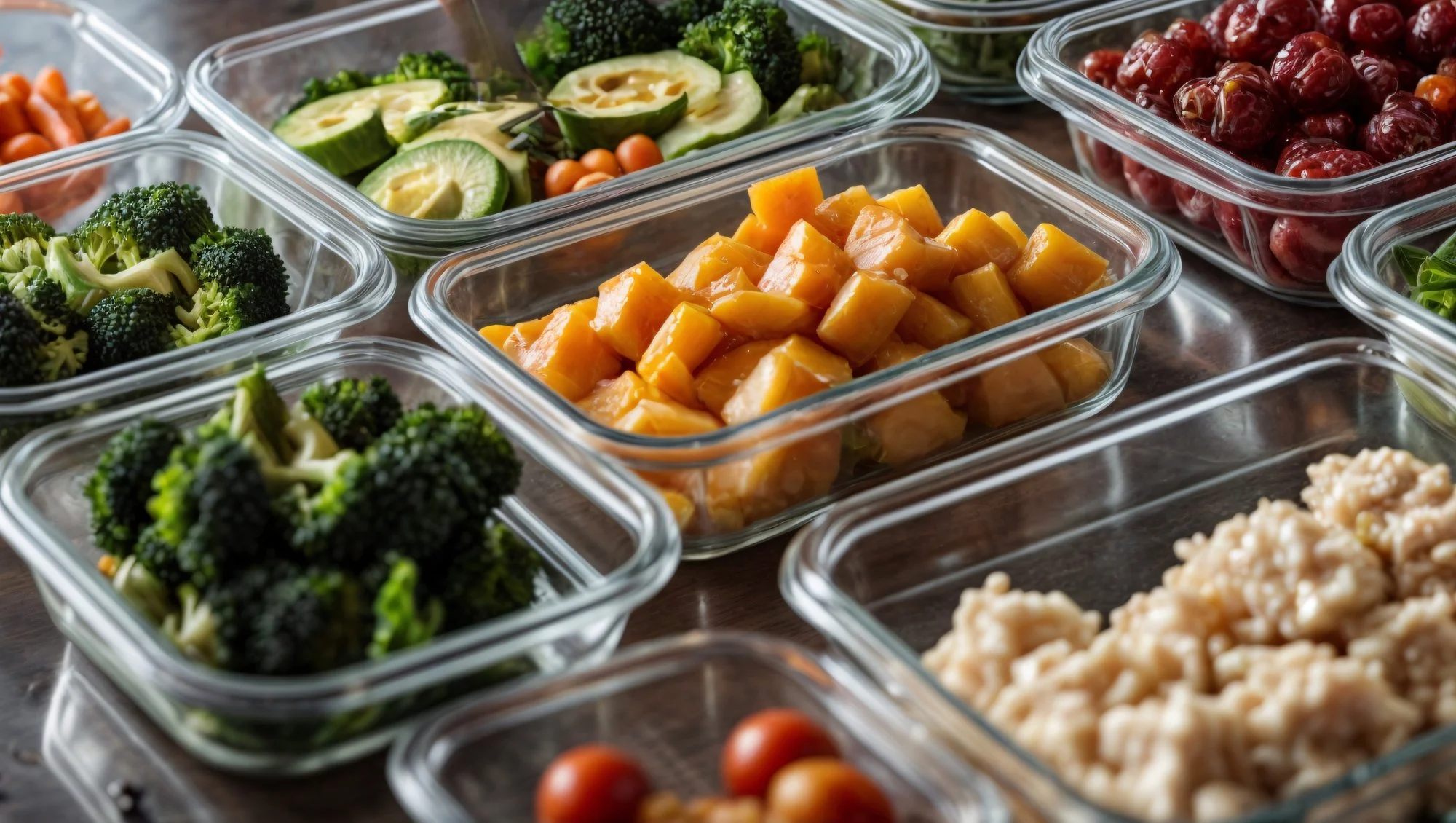
Establish Your Go-To Meal Rhythm: Remove decision fatigue by creating a small menu of 2–3 daily favorites you genuinely enjoy that are easy to prepare. For example, my standard daily rhythm looks like this:
Breakfast: Steel-cut oatmeal or Greek yogurt topped with apples or berries and a scoop of quality protein powder.
Lunch (Main Meal): A rich protein anchor served over a colorful salad tossed with a homemade apple cider vinegar dressing.
Dinner: A quality protein paired with a double portion of steamed or roasted green vegetables.
Keep Intentional Treats on Hand: Healthy eating shouldn't feel overly restrictive. Keep a few pre-portioned, high-quality treats ready for when a sweet craving strikes. I cut up Elemental nut bars into 40-calorie portions and keep pre-cut bananas and berries in the freezer so they can be blended for a quick, ice-cream-like treat.
The Longevity Takeaway
The most effective nutritional strategy is never the most extreme one, it’s the one you can sustain naturally while protecting your muscle mass, stabilizing your daily energy and enjoying your life. Bottom line: give your body the high-quality raw materials it needs to thrive.
In Part III, we’ll bring the entire Fueling Longevity series together by looking at the broader lifestyle ecosystem that supports metabolic vitality. We’ll explore metabolic flexibility and cellular renewal, including time-restricted eating, intermittent fasting and strategic fast-mimicking programs like ProLon. We’ll also explore other pillars that support nutritional vitality, such as hydration, stress management and sleep quality.
The Question to Walk With
In Fueling Longevity, Pt. I, we invited you to reflect on what your future self would want you to consider about how you fuel your body. Building on that reflection, carry this question with you as you move through your week:
Looking at the three implementation methods (The Broad Brush, The Visual Anchor or Data-Informed Awareness), which approach feels like the most supportive fit for where you are right now? In addition, what’s one simple kitchen system, like scanning your pantry or creating a master grocery list, that you can put in place this week?